Чайный путь для начинающих
Начните здесь
Дегустационный полет с гидом от яркой зелени до глубокого спелого пуэра — пять чаев которые знакомят вас с крупными семьями в разумном порядке употребления спиртного.
Для начала вам не понадобится специальная чайная посуда: кружка объемом 100–150 мл или стеклянная банка. работает для первых трех чаев. В этом поможет гайвань или небольшой исинский горшок. тегуаньинь и спелый пуэр. Ссылка на текущие предложения под каждым чайным поинтом для просмотра списков магазинов; выберите любой корабль, который вам нужен.
-
Заказ вкуса
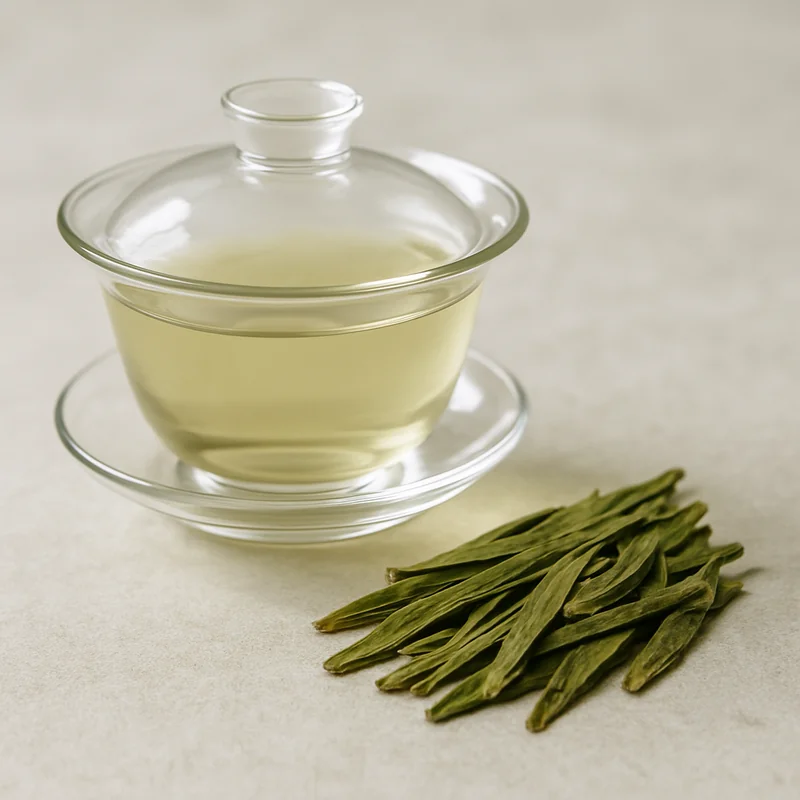
Лун Цзин (Колодец дракона)
Lóng Jǐng · 龙井 · green · pan-fired
Лун Цзин — китайский зелёный чай ручной обжарки с холмов вокруг Западного озера в Ханчжоу. Плоский нефритово-зелёный лист и характерная каштановая сладость в своё время сделали его императорским даром — и остаются его визитной карточкой.
-
Заказ вкуса
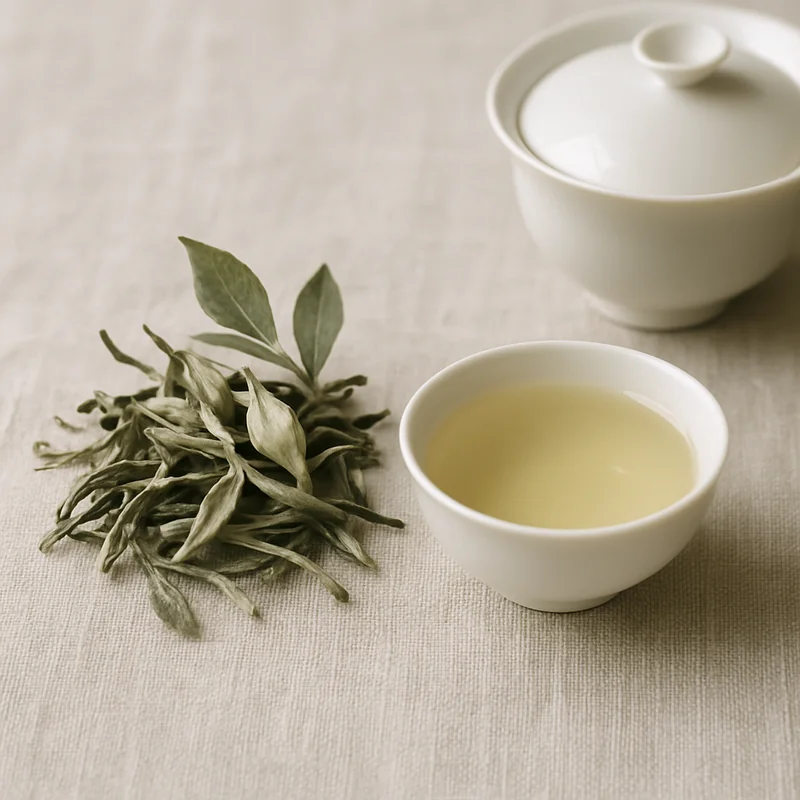
Бай Му Дань (Белый пион)
Bái Mǔ Dān · 白牡丹 · white · bai-mu-dan
Бай Му Дань («Белый пион») — фуцзяньский белый чай из «почки и двух молодых листьев», прошедший минимальную обработку (вяление на солнце плюс мягкая сушка). Насыщеннее Серебряных игл, но всё ещё деликатный; через десятилетие выдержки приобретает чёрты, близкие к шэн пуэру.
-
Заказ вкуса
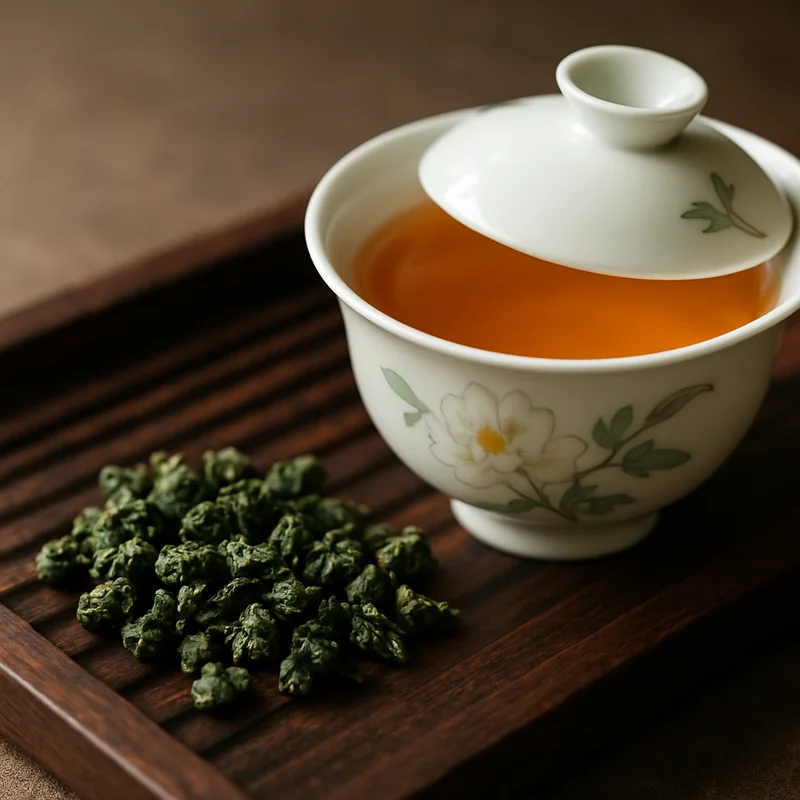
Тегуаньинь (Железная Гуаньинь)
Tiě Guān Yīn · 铁观音 · oolong · anxi-oolong
Тегуаньинь из Аньси — самый знаменитый улун южной Фуцзяни. Современный «зелёный» Тегуаньинь — слабо окисленный и слабо прожаренный, подчёркивая характерный аромат орхидеи и сливок; традиционный — более окисленный и прожаренный на угле.
-
Заказ вкуса
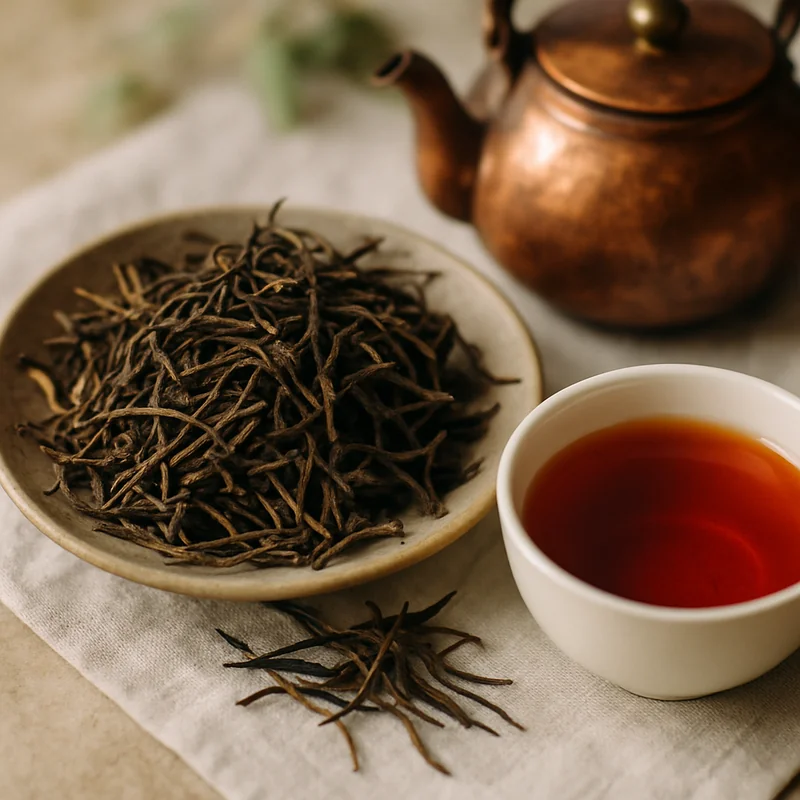
Дянь Хун (Юньнаньский красный)
Diān Hóng · 滇红 · red · gongfu
Дянь Хун — «юньнаньский красный» — делается из той же крупнолистной Camellia sinensis var. assamica, что и пуэр. Получается заметно плотный, солодовый, медовый красный чай, часто с большим количеством золотистых почек в листе.
-
Заказ вкуса
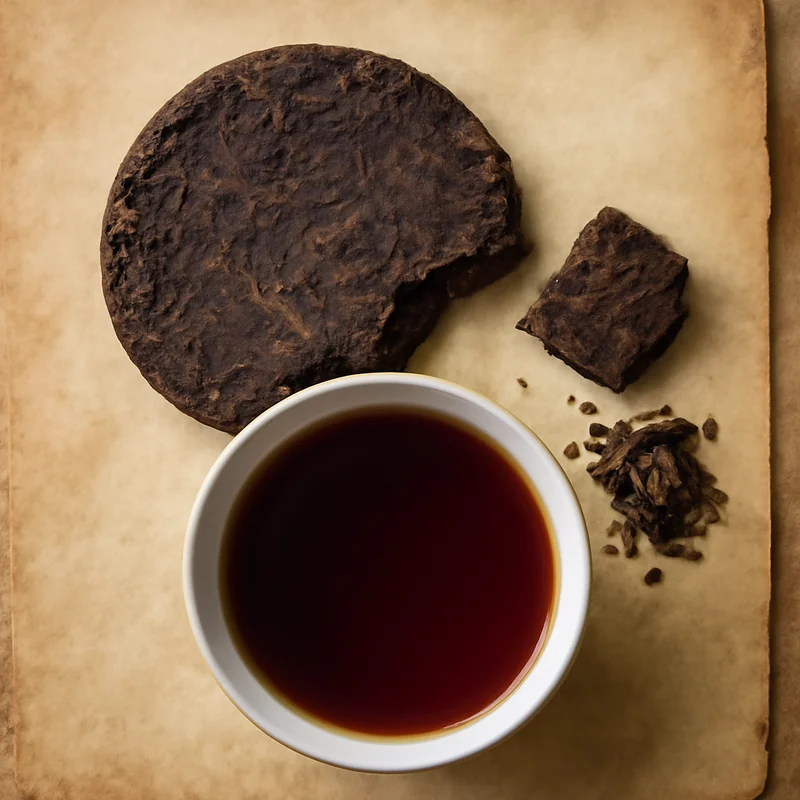
Мэнхай 7572 шу (рецепт)
Mèng Hǎi 7572 · 勐海7572 · dark · puerh-shu
Мэнхай 7572 — флагманский рецепт шу пуэра Мэнхайской фабрики, тоже 1975 г. Отличается от 7542 шэна этапом «во дуй» (водуй — влажное скирдование), который превращает лист в землисто-какаовый шу пуэр. Стабильно ровный и эталонный.


Что дальше
Попробовав все пять, следуйте за семейством, которое вас удивило. индекс чая позволяет фильтровать по категориям и регионам; справочник по завариванию подробно описывает стили гунфу, вестерн, дедушка и холодное заваривание.
Все еще решаете, что заварить дальше? Ответьте на четыре быстрых вопроса о вкусе и чайная викторина подскажет вам несколько стилей, которые стоит изучить.